Call:056 396 9006

Custom Mashrabiya Cutting in Dubai for Villas & Homes
LASER CUTTING SHARJAHLASER CUTTING DUBAICNC SERVICE SHARJAH
12/31/20257 min read
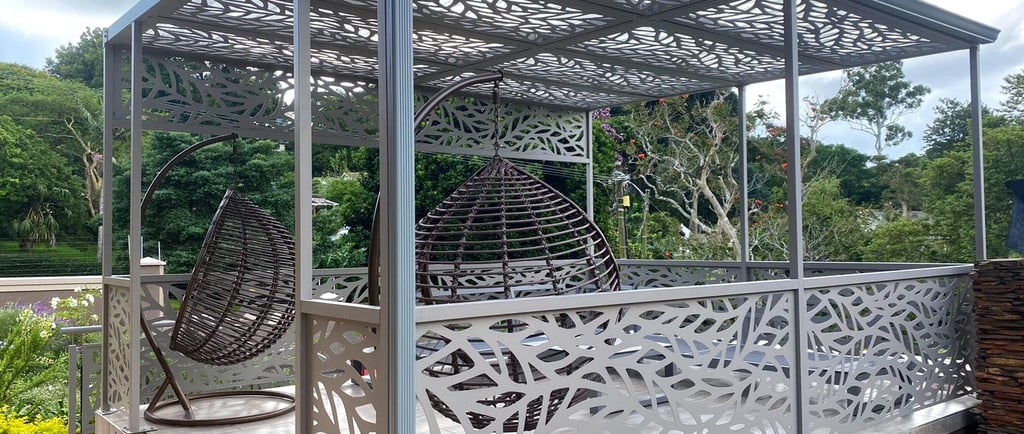
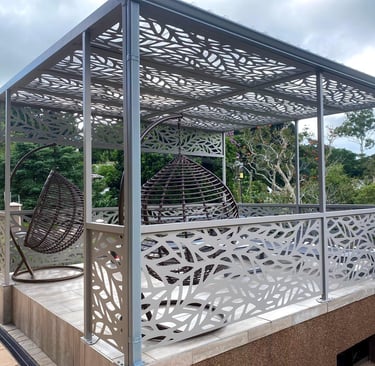
Mashrabiya, a traditional architectural feature commonly found in Middle Eastern design, serves multifaceted purposes in both indoor and outdoor environments, offering aesthetic appeal and functional benefits alike. In the context of indoor use, mashrabiya primarily functions as a decorative element, characterized by intricate latticework that allows for light and air circulation while maintaining privacy. This characteristic makes it an ideal choice for room dividers, where the unique patterns can enhance the visual interest of a space without obstructing movement or light. Homeowners often incorporate mashrabiya as privacy screens in areas such as bedrooms and bathrooms, allowing occupants to enjoy secluded spaces without sacrificing style.
On the other hand, outdoor applications of mashrabiya extend its usability significantly, especially in villa and home designs. This feature serves as an important component of façade designs, creating a stunning visual impact from both inside and outside the property. Balconies adorned with mashrabiya not only provide shade from the sun, but they also help mitigate heat gain, contributing to energy efficiency. Additionally, when strategically placed in outdoor landscaping, mashrabiya can enhance the beauty of gardens and patios, merging functional shading elements with artistic displays.
Culturally, the significance of mashrabiya transcends mere functionality; it embodies a historic method of adapting architectural designs to the climatic needs of the region. The ability of this feature to filter light and preserve privacy reflects the values and lifestyles of Arabian culture, adapting ancient principles to modern architectural requirements. Consequently, whether utilized indoors or outdoors, mashrabiya continues to resonate deeply within the design philosophies of modern villas and homes in Dubai, marrying tradition with contemporary aspirations.
Privacy, Shading & Ventilation Benefits
Mashrabiya, with their exquisite latticework, serve crucial functions that extend beyond mere aesthetics, especially in the context of villas and homes in Dubai. One of the primary advantages of installing custom mashrabiya is the heightened privacy they provide. These traditional wooden screens are intricately carved to obscure views from the outside while allowing residents to enjoy the picturesque sights without sacrificing their seclusion. This design not only safeguards the inhabitants' privacy but also enhances the overall architectural identity of the space.
In addition to privacy, mashrabiya are adept at providing shade, a necessity in the scorching Dubai climate. The geometric patterns and material properties of these structures can effectively block direct sunlight, safeguarding interiors from excessive heat and reducing the reliance on air conditioning. As a result, homeowners can achieve a more comfortable indoor environment, even during peak summer months. For instance, a villa in Jumeirah demonstrated a significant decrease in indoor temperatures once custom mashrabiya were installed, which provided natural shading against the harsh sun.
Furthermore, ventilation is another critical advantage that mashrabiya contribute to residential spaces. The design allows for airflow while minimizing the intrusion of dust and outdoor pollutants, promoting healthy air circulation within the home. This function is particularly beneficial in Dubai, where temperatures soar, and proper ventilation can prevent the home from becoming stagnant or overly hot. An example of this can be seen in a contemporary Dubai villa, where the incorporation of mashrabiya not only facilitated cooling breezes but also created an inviting atmosphere that was both airy and refreshing.
Popular Villa Mashrabiya Designs
Mashrabiya, the traditional architectural element that serves both functional and aesthetic purposes, has found a renewed place in modern villa designs across Dubai. With roots deeply entrenched in Middle Eastern culture, these latticework screens not only offer privacy but also provide a unique method of regulating light and ventilation. Many villa owners in Dubai are increasingly favoring mashrabiya designs that reflect a blend of traditional craftsmanship and contemporary aesthetics, which caters to various architectural styles.
One popular design is the geometric mashrabiya, characterized by intricate patterns that are often reminiscent of Islamic art. These designs can be made from wood, metal, or even modern composite materials, allowing for flexibility in terms of maintenance and durability. Their angular patterns create mesmerizing shadows and distinct visual elements that enhance the overall character of a villa.
Another sought-after style is the modern interpretation of mashrabiya, which incorporates sleek lines and minimalistic designs. This contemporary approach often uses larger panels with simplified motifs, appealing to those who prefer a combination of traditional heritage and modern elegance. These designs are particularly effective in minimizing the buildup of heat while maintaining an inviting atmosphere in the interiors.
Local culture plays a significant role in the choice of mashrabiya designs among villa owners. Many residents opt for designs that resonate with their heritage while reflecting the modernization of their surroundings. It is common to see colors and patterns that symbolize elements of nature or local history infused into these designs, making each piece not only a functional element but also an artful expression of cultural identity.
In conclusion, whether opting for complex geometric patterns or embracing a contemporary approach, the use of mashrabiya in villa designs across Dubai continues to evolve, enriching the architectural landscape while honoring regional traditions.
Material & Finish Options
When selecting custom mashrabiya cutting for villas and homes in Dubai, the choice of materials and finishes plays a crucial role in both aesthetics and functionality. The primary materials available include wood, metal, and composite materials, each offering distinct advantages and considerations.
Wood is a traditional choice for mashrabiya due to its natural beauty and warmth. Commonly used hardwoods, such as teak or mahogany, are known for their durability and resistance to warping. However, wood requires regular maintenance, including sealing and varnishing, to protect against moisture and sunlight damage, which can be a concern in Dubai's arid climate. Additionally, wood can be customized with various finishes, such as stains or paints, which enhance its visual appeal while providing added layers of protection.
Metal, including aluminum and wrought iron, provides a modern alternative for those seeking a sleek and industrial aesthetic. Metal mashrabiya is highly durable, resistant to pests, and requires minimal maintenance compared to wood. Finishing options for metal include powder coating and anodizing, which not only prevent corrosion but also offer a wide range of color choices, allowing homeowners to achieve the desired look. While metal may lack the warmth of wood, its strength and longevity make it an appealing choice.
Composite materials combine the benefits of both wood and metal, offering durability while minimizing maintenance. Composites are engineered to resist fading, rotting, and warping, making them suitable for the harsh environmental conditions of Dubai. Available in various finishes, including textured surfaces that mimic natural wood grains, they provide great flexibility in design without sacrificing longevity. Each of these materials has unique characteristics that contribute to the overall design, suitability, and long-term performance of custom mashrabiya in residential spaces.
Cost Factors for Residential Projects
When considering custom mashrabiya cutting for villas and homes in Dubai, there are several cost factors that homeowners must take into account. The complexity of the design is one of the primary elements influencing the overall expense. Intricate and elaborate patterns often require more detailed work and specialized craftsmanship, which can significantly raise labor costs. Simpler designs, on the other hand, may be more economical while still providing an aesthetic appeal.
The choice of materials is another crucial expense factor. Traditional materials such as wood might be preferred for authenticity and style, but they come with a higher cost and require regular maintenance. Alternatives like composite materials or metal can offer cost savings and durability, yet they may or may not deliver the same visual impact. Homeowners should evaluate the total lifecycle cost, which includes both installation and long-term maintenance, in their material selection.
Labor costs also play a significant role in the budgeting process for custom mashrabiya projects. Skilled artisans are often needed for precise cutting and installation, reflecting in higher wage requirements. Additionally, the geographical location of the project can influence these costs, with urban areas typically attracting premium pricing due to higher demand and operational expenses.
The scale of the project is another determinant in the overall cost. Larger installations, while potentially more economical on a per-unit basis due to bulk processing and material uses, can pose higher overall expenses due to the volume of work required. For homeowners aiming to balance style with budget, consulting with experienced professionals can provide insights into selecting cost-effective yet stylish options for custom mashrabiya installation.
Incorporating Mashrabiya into Modern Architecture
Mashrabiya, the traditional Arabic architectural feature known for its intricate wood latticework, serves as a fascinating component in contemporary architectural design. In Dubai, where modern villas and homes are constructed to reflect both luxury and cultural heritage, the integration of mashrabiya offers a way to marry aesthetics with functionality. By employing innovative construction techniques that honor the artistry of mashrabiya, architects can enhance the aesthetic value of modern developments.
The traditional use of mashrabiya was primarily for privacy and ventilation, allowing for air circulation while offering protection from heat. In modern architecture, these features are significantly valued under current sustainability trends. The incorporation of mashrabiya can contribute to energy-efficient designs, reduce reliance on air conditioning, and enhance natural light within interiors. Utilizing advanced materials such as aluminum and fiberglass can also ensure durability, while maintaining the intricate designs that characterize traditional mashrabiya.
Furthermore, contemporary interpretations of mashrabiya can be observed in a variety of forms, such as screens or facades. These elements not only pay homage to historical designs but also adapt to the needs of modern living. Incorporating mashrabiya in the design of outdoor spaces—like terraces and balconies—enhances outdoor comfort, extends living areas, and allows residents to enjoy nature while maintaining seclusion. This practice illustrates how traditional designs can be reimagined within a modern context, ensuring that homes in Dubai retain their cultural significance while embracing innovation.
The aesthetics of mashrabiya also complements modern minimalist designs, providing a striking contrast and adding intricate detailing that can enhance visual interest. As architects increasingly embrace the interplay of traditional and modern elements, mashrabiya stands out as an optimal choice for enhancing both the form and function of residential spaces.
Maintenance and Care for Mashrabiya Installations
To ensure the longevity and functionality of custom mashrabiya installations in residential settings, regular maintenance and care are essential. Homeowners should adopt a structured cleaning routine, which involves dusting and gentle cleaning to preserve the intricate designs and appeal of the mashrabiya. Depending on the material utilized, cleaning agents should be chosen carefully to avoid damage. For wooden mashrabiya, it is advisable to use a soft, damp cloth with mild soap to remove dust and grime. This helps retain the natural finish and aesthetic charm of the wood.
For those with metal or composite mashrabiya, a slightly damp cloth with a non-corrosive cleaner should be utilized. Additionally, as exposure to the elements can lead to discoloration or rust, applying a protective coating once a year can enhance durability. This is particularly pivotal in outdoor settings where environmental factors can accelerate wear and tear.
Inspection of mashrabiya installations should also be routine. Homeowners are encouraged to routinely check for any signs of damage, such as cracks in wood or rust on metal components, to address any issues promptly. Addressing small repairs early can prevent more extensive and costly maintenance later. Checking the structural integrity is just as important to ensure that the designs remain functional and aesthetically pleasing.
Finally, seasonal changes can affect the condition of mashrabiya. Adjusting care routines based on these changes, such as more frequent cleaning during dusty months or applying protective treatments after heavy rain, can enhance their lifespan. Through these maintenance practices, homeowners will be able to preserve the beauty and integrity of their custom mashrabiya installations, ensuring they remain a timeless aspect of their villas and homes.