Call:056 396 9006

Enhancing Spaces with Decorative Metal Screens in Dubai
LASER CUTTING SHARJAHLASER CUTTING DUBAICNC SERVICE SHARJAH
12/31/20257 min read
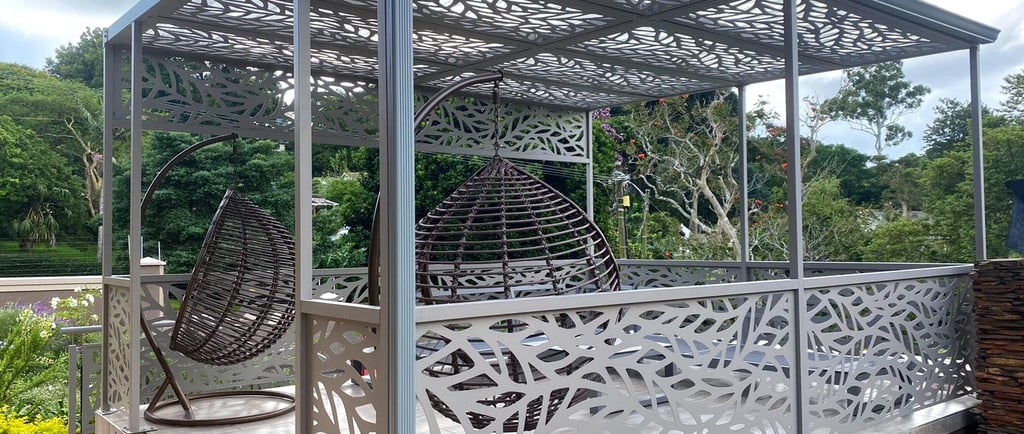
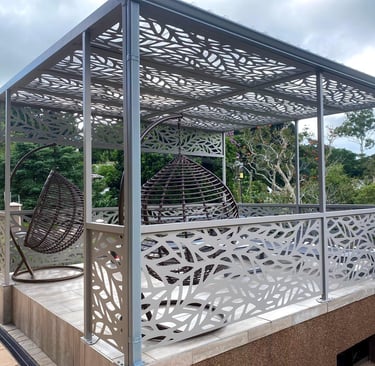
Introduction to Decorative Metal Screens
Decorative metal screens have emerged as a popular design element in both residential and commercial spaces, especially in the vibrant city of Dubai. These screens are not only visually appealing but also serve functional purposes that enhance overall architectural design. In contemporary settings, they can be utilized for privacy, shade, or as artistic focal points that bring character to environments.
The significance of decorative metal screens lies in their versatility and adaptability. They can be crafted from various metals, including aluminum, stainless steel, and wrought iron, allowing for diverse designs that cater to different aesthetic preferences. In Dubai's architectural landscape, where modernity intersects with tradition, these screens often incorporate intricate patterns that reflect artistic heritage while maintaining a sleek and modern appearance.
One crucial aspect of decorative metal screens is their ability to offer privacy without completely obstructing views or natural light. This characteristic makes them particularly appealing in urban settings where space is limited, and residents seek ways to create tranquil oases in their homes or offices. Furthermore, these screens can help reduce solar glare and heat penetration, contributing to enhanced energy efficiency, which is vital in Dubai's hot climate.
Moreover, the aesthetic advantages of decorative metal screens cannot be overstated. They add an element of elegance and sophistication to spaces, transforming ordinary environments into extraordinary ones. By incorporating color, texture, and pattern variations, designers integrate these screens into various styles, from contemporary and minimalist to ornate and traditional.
In this blog, we will delve deeper into the applications and benefits of decorative metal screens, exploring why they have become a quintessential element in the design philosophy of Dubai.
Types of Decorative Metal Screens
In Dubai, decorative metal screens have gained significant popularity for their ability to enhance aesthetic appeal while offering functional benefits. These screens are available in various forms, each tailored for specific uses and environments, catering to diverse architectural styles.
One common type includes partitions and room dividers, which serve to create distinct sections within open spaces. These screens can help define areas for different activities, whether in homes, offices, or commercial settings. Their intricate designs not only provide privacy but also enhance the overall decor. Many designs feature geometric patterns, floral motifs, or custom artwork, allowing for personalization to suit unique tastes.
Ceiling and wall panels represent another remarkable option among decorative metal screens. These screens are utilized to cover and accentuate surfaces, adding depth and character to ceilings and walls. They are particularly effective in creating visual interest in large spaces, such as lobbies or conference rooms. The metal materials used can include aluminum, stainless steel, or corten steel, each offering durability while being low-maintenance. Depending on the chosen finish, these panels can reflect light in captivating ways, transforming the ambiance of any area.
Lastly, staircase and balcony screens have gained favor for their dual purpose of safety and style. These screens can act as balustrades or barriers, providing essential protection while contributing to the overall design of the space. The use of decorative patterns and finishes ensures that they not only fulfill safety protocols but also add elegance to staircases and balconies. Various designs enable homeowners and architects alike to select screens that match the architectural theme of their properties.
Integration of Lighting with Metal Screens
The use of decorative metal screens has significantly evolved in contemporary design, particularly in Dubai, where aesthetics and function must coexist seamlessly. One of the most effective ways to enhance the visual appeal of these screens is through the strategic integration of lighting. This combination not only amplifies the artistic features of the screens but also influences the overall ambiance of a space.
Backlighting is one prominent technique employed to create an ethereal effect. By positioning lights behind the metal screen, designers can accentuate the intricate patterns and textures, casting mesmerizing shadows on adjacent surfaces. This method is particularly effective in dimly lit environments, where the screens become focal points, guiding the viewer's eye and evoking a sense of mystique.
Another approach is spotlighting, where focused beams illuminate specific areas of the screen. This technique can highlight particular design elements or textures within the metalwork, enhancing the perceived depth and complexity. When combined with different light temperatures, such as warm white or cool daylight, it can dramatically alter the mood of a space, offering the flexibility to adapt ambient settings based on activities or time of day.
Additionally, incorporating adjustable lighting options allows for dynamic interactions between the metal screens and the surrounding environment. For instance, dimmable fixtures can be utilized to create softer lighting during evening gatherings, while brighter settings may be employed for functional use during the day. Moreover, the reflective properties of metal screens can significantly enhance these lighting effects, ensuring that each installation not only serves a decorative purpose but also transforms how spaces are experienced.
Acoustic Benefits of Decorative Metal Screens
Decorative metal screens have emerged as a versatile design element in architectural and interior design, offering not only aesthetic appeal but also significant acoustic benefits. In urban environments like Dubai, where noise pollution is a common concern, these screens serve as effective barriers that enhance sound insulation and contribute to a more tranquil atmosphere.
One of the primary acoustic advantages of decorative metal screens lies in their ability to dampen sound waves. The materials used in the construction of these screens can significantly impact sound transmission. By strategically placing metal screens in areas where noise disturbance is prevalent, such as near busy streets or communal areas, they can absorb and reflect sound, thereby reducing the level of noise that permeates indoor spaces.
Moreover, the design and structure of the screens can further enhance their noise-reducing capabilities. Patterns and perforations in the metal create unique sound-absorbing characteristics, allowing them to function effectively in various environments. This feature is particularly beneficial in commercial spaces, such as offices and restaurants, where noise control is vital for maintaining privacy and comfort. The decorative aspects not only act as sound barriers but also contribute to the overall ambiance of the setting, balancing functionality with aesthetic appeal.
In residential settings, decorative metal screens can help create serene home environments by minimizing external noise. These screens can be incorporated into balconies, gardens, or patios, transforming them into peaceful retreats. The result is a harmonious living space where residents can relax without the interference of urban noise.
In conclusion, the acoustic benefits of decorative metal screens are invaluable in both residential and commercial contexts. By improving sound insulation, reducing noise pollution, and fostering a calm environment, these screens prove to be an essential addition to any space, enhancing both functionality and design.
Cost Differences and Material Options
When considering decorative metal screens in Dubai, it is essential to examine the different materials available, as well as their associated costs. Various materials come with unique characteristics, price points, and maintenance requirements, impacting overall project budgets and choices.
Aluminum is one of the most popular choices for decorative metal screens due to its lightweight nature and resistance to corrosion. The cost of aluminum screens typically varies between AED 150 to AED 400 per square meter, depending on design intricacies and thickness. Their durability ensures they remain visually appealing with minimal upkeep, requiring only occasional cleaning to maintain their aesthetic. Furthermore, aluminum can be easily painted or treated, allowing for versatility in design.
Stainless steel, while more expensive, offers superior strength and longevity. The price for stainless steel decorative screens can range from AED 300 to AED 800 per square meter. This material's high resistance to rust makes it suitable for both indoor and outdoor applications. Its reflective surface enhances aesthetics, with the added benefit of requiring little maintenance once installed. However, it is essential to consider the initial investment as it can strain budgets compared to other materials.
Corten steel is another intriguing option, primarily known for its weathering characteristics that allow it to develop a unique patina over time. Prices for corten steel decorative screens generally fall between AED 250 and AED 600 per square meter. While this material requires more maintenance initially, as it rusts to form a protective layer, its aesthetic appeal is significant, particularly in contemporary architectural designs.
Ultimately, the choice of material will significantly influence both the cost and the visual impact of decorative metal screens in any space. Evaluating these factors will aid in making informed decisions about which material best fits the project requirements and budget.
Installation Complexity of Metal Screens
Installing decorative metal screens involves several considerations that can significantly impact the ease and effectiveness of the process. Firstly, it is crucial to ascertain the type of metal screen chosen, as various materials and designs come with unique installation requirements. Commonly used metals include aluminum, stainless steel, and corten steel, each of which can require specific tools and techniques for secure installation.
The first step in the installation process is to take accurate measurements of the intended space, ensuring that the decorative screen is appropriately sized. This necessitates not only precision but also a clear understanding of the design aspects, such as the screen's orientation and alignment. Depending on the complexity of the design, some decorative screens may have intricate patterns that require careful positioning to achieve the desired aesthetic effect.
Furthermore, potential challenges can arise during installation, particularly in regard to the substrate material where the screen will be mounted. It is essential to ensure that the chosen surface can support the screen's weight and that it is suitable for anchoring purposes. For example, masonry walls may require drilling and the use of specific anchors, while wooden framing might necessitate different brackets. Therefore, evaluating the structural integrity of the installation site is paramount.
Regarding whether professional help is necessary, it often hinges on the individual’s skill level and the intricacy of the screen's design. For straightforward installations, DIY enthusiasts with basic carpentry skills may manage effectively. However, for more complex configurations or larger installations, enlisting the services of a professional installer may be advisable to ensure accuracy and safety. Ultimately, understanding the installation process and challenges enhances a homeowner's ability to successfully incorporate decorative metal screens into their environment.
Choosing the Right Decorative Metal Screen Solution
When selecting a decorative metal screen for your space, there are several critical factors to consider to ensure that the final choice aligns with your needs and aesthetics. The first consideration is the design style of the space. Whether you are leaning towards a contemporary, traditional, or eclectic design, the metal screen should complement and enhance the overall aesthetic. Researching various designs and finishes can help narrow down options that will seamlessly integrate into your existing decor.
Next, budget plays a significant role in the decision-making process. Decorative metal screens are available in a wide range of prices, influenced by factors such as material quality, design complexity, and manufacturer. It is vital to set a reasonable budget before beginning your search, as this will help eliminate options that might strain your finances. Additionally, consider the long-term value of your investment; opting for a higher-quality screen may incur a greater initial cost but can offer durability and timeless appeal.
Functionality is another essential aspect to contemplate. The intended use of the decorative metal screen should dictate your choice. For example, if the screen is meant for privacy, opt for denser patterns or larger panels. Alternatively, if it serves primarily as a decorative element, intricate designs may be more appropriate. Additionally, ensure that the screen meets any specific requirements for the space, such as dimensions, weight, and installation parameters.
Lastly, consulting with professionals in the field can provide valuable insights into which materials and styles are best suited for your environment. By taking the time to assess these considerations, you can make a well-informed decision and enhance your space with a decorative metal screen that perfectly meets your requirements.
Get in touch
Address
Sharjah Industrial area 10
Contacts
056 396 9006
info@lasercuttingsharjah.com