Call:056 396 9006
Exploring Aluminum CNC Cutting for Decorative Mashrabiya and Panels in Dubai
LASER CUTTING SHARJAHLASER CUTTING DUBAICNC CUTTING DUBAICNC CUTTING SHARJAH
1/28/20267 min read
Why CNC Cutting is Ideal for Mashrabiya Patterns
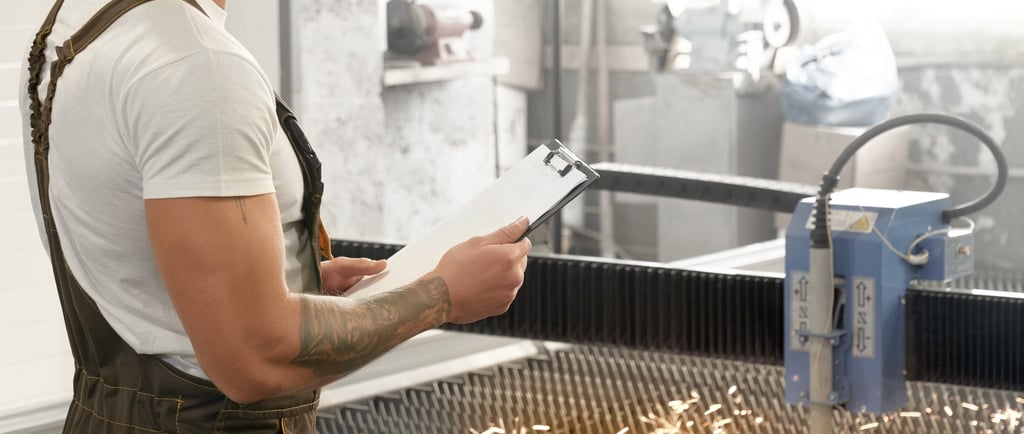
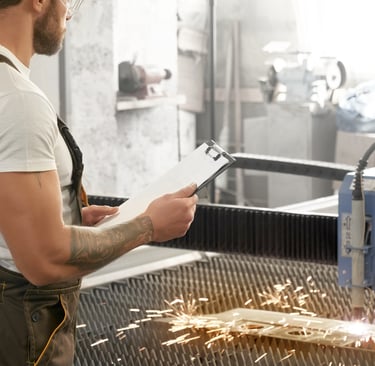
CNC cutting technology has revolutionized the way intricate mashrabiya patterns are produced, offering several advantages that align perfectly with the demands of modern architectural designs. One of the foremost benefits of CNC cutting is its unparalleled precision. Unlike manual cutting methods, CNC machines operate on computer-controlled parameters that ensure every detail of the mashrabiya design is executed accurately. This level of precision is essential for creating the elaborate patterns characteristic of traditional Arabic architecture, while also accommodating contemporary design aesthetics.
Efficiency is another significant advantage of using CNC technology in fabricating mashrabiya. The automation of the cutting process dramatically reduces the time taken to produce complex designs. This efficiency allows architects and designers in Dubai to meet tight project deadlines without compromising on creativity or detail. Each piece can be replicated flawlessly, ensuring uniformity across various applications, from external facades to indoor partitions.
Moreover, CNC cutting provides remarkable design flexibility. The technology enables the creation of intricate and elaborate patterns that might be challenging to achieve through traditional handcrafting methods. This flexibility is particularly relevant in the dynamic architectural landscape of Dubai, where there is a strong interest in incorporating cultural heritage into modern buildings. CNC cutting can seamlessly integrate traditional mashrabiya motifs with innovative concepts, resulting in structures that pay homage to the past while fulfilling contemporary functional and aesthetic requirements.
Furthermore, the ability to use materials such as aluminum enhances the durability and maintenance of these decorative elements, making them suitable for various environmental conditions found in Dubai. As a result, CNC cutting not only preserves the artistic essence of mashrabiya but also caters to modern architectural needs, striking a balance between traditional craftsmanship and technological advancement.
Indoor vs Outdoor Panel Applications
Aluminum CNC-cut panels have gained popularity for both indoor and outdoor applications, each offering distinct advantages depending on the environment. When considering decorative mashrabiya for interiors, aesthetic appeal becomes paramount. Indoor panels can incorporate intricate designs that enhance the ambient lighting, adding a touch of elegance to living spaces, offices, or cultural establishments. Such panels not only serve a decorative purpose but also play a role in acoustics, as they can help to diffuse sound and reduce echo in larger open areas.
In contrast, outdoor applications necessitate a different set of criteria, primarily focused on durability and weather resistance. Aluminum is inherently resistant to corrosion and rust, making it an excellent choice for outdoor environments where panels are exposed to the elements. Decorative mashrabiya made from aluminum can withstand harsh sun exposure, rain, and varying temperatures without fading or deteriorating, ensuring longevity. Additionally, the lightweight nature of aluminum facilitates easy installation on exterior walls, balconies, or outdoor living areas while still providing substantial structural support.
Both indoor and outdoor aluminum panels can be customized with various finishes, thus allowing homeowners and designers to choose styles that complement their overall decor. For instance, matte finishes may work well indoors, enhancing a cozy atmosphere, while glossy coatings can reflect sunlight effectively in outdoor settings, creating striking visual effects. Furthermore, the versatility of CNC cutting technology enables intricate designs that can be tailored to fit specific architectural styles, making aluminum panels a favored choice in modern design.
By understanding the specific requirements and unique features needed for indoor versus outdoor applications, designers, architects, and homeowners can make informed decisions about the type of aluminum CNC-cut panels that will best suit their needs.
Material Selection & Finishing Techniques
When it comes to CNC cutting of aluminum for decorative mashrabiya and panels, the selection of suitable aluminum material plays a pivotal role in the overall success of the project. Aluminum is widely favored for its lightweight properties, durability, and corrosion resistance, making it an ideal choice for architectural applications in various environments. The two commonly used aluminum alloys for such projects are 6061 and 5052, each offering distinct advantages based on specific project requirements. Alloy 6061, known for its excellent mechanical properties, is suitable for applications demanding high strength and weldability, while 5052 is more malleable, making it preferable where intricate designs and shapes are necessary.
In addition to selecting the right alloy, the finishing techniques employed can significantly enhance both the aesthetic appeal and the longevity of the panels. Powder coating is one highly-regarded finishing option, providing a wide array of colors and textures, while also offering a durable, UV-resistant surface that withstands the elements. This technique involves applying a dry powder that is then cured under heat, resulting in a tough, uniform finish.
Anodizing is another technique that imparts a protective layer on the aluminum surface, while also enabling the incorporation of color into the oxide layer, ensuring a premium finish. This process not only enhances the corrosion resistance of the material but also strengthens its surface, making it less susceptible to wear and tear. Furthermore, anodizing allows for an environmentally friendly finishing option, as it utilizes minimal chemicals and is suitable for recycling. Both powder coating and anodizing provide opportunities for personalization, thus allowing designers and architects to achieve their desired visual impact while ensuring the functional performance of the aluminum mashrabiya and panels.
Design Preparation for Complex Patterns
In the realm of CNC cutting, especially for intricate designs such as mashrabiya panels, the preparatory stages of design are paramount. The first essential step in this process is selecting suitable software tools that facilitate the creation of detailed digital models. Popular software choices include AutoCAD, Rhino, and Adobe Illustrator, which allow designers to develop precise patterns that can be effectively translated into CNC cutting.
Once the software is selected, the creation of accurate digital models is critical. These models serve as the blueprint for the actual cutting process. Designers must ensure that measurements are precise and that the patterns consider the characteristics of aluminum as a material. Understanding the dimensional limitations of CNC machines and accommodating for factors such as toolpath integration are essential. Accurate models help prevent discrepancies when moving from the digital to the physical realms, ensuring resulting panels maintain the intended aesthetics and structural integrity.
Additionally, designers should pay attention to the implementation of proper file formats required for CNC machines, such as DXF or SVG. These formats support the complex geometries inherent in mashrabiya designs.
To ensure designs transition smoothly from concept to reality, conducting physical prototypes is advisable. This process provides insights into how the patterns will look and function when crafted. Designers can assess elements such as light filtration, structural strength, and visual appeal, which are commonly influenced by the intricacies of the design. Utilizing feedback from these prototypes allows for refinements that enhance the final product.
Overall, thorough preparation in design and the use of advanced software tools are essential in crafting impressive decorative mashrabiya and panels that not only meet aesthetic desires but also achieve functional performance in the architectural context of Dubai.
Examples of Dubai Projects Using Aluminum CNC Panels
Dubai is renowned for its visionary architecture and innovative design, with several notable projects showcasing the remarkable versatility of aluminum CNC-cut panels. These projects highlight not only the aesthetic qualities of the aluminum panels but also their functional benefits, enhancing both commercial and residential spaces.
One prominent example is the Burj Khalifa Park, which incorporates intricate aluminum mashrabiya screens throughout the landscaping. The panels serve dual purposes: they are visually striking, contributing to the park's thematic decor, while also providing shade and privacy for visitors. This project underscores the effectiveness of aluminum panels in outdoor settings and their ability to harmonize with natural elements.
Another exceptional showcase is the Dubai Opera House. The building features contemporary aluminum CNC-cut facades that contrast with traditional architectural styles but maintain a local cultural identity through their design. The delicate patterns cut into the aluminum not only catch the eye but also foster an inviting atmosphere for guests, successfully blending performance arts with architectural elegance.
The Jumeirah Al Naseem Hotel further exemplifies the use of aluminum CNC panels. It boasts beautiful mashrabiya-inspired designs that reflect traditional Islamic art while providing modern functionality. These panels create a stunning visual effect, filtering light and ensuring privacy for luxury guests. This project demonstrates how aluminum can elevate hospitality environments, making them visually appealing and functional.
Collectively, these examples from Dubai illustrate the diverse applications of aluminum CNC-cut panels, particularly in decorative mashrabiya forms. From enhancing outdoor park spaces to redefining architectural landmarks, the use of aluminum not only contributes to aesthetic enhancement but also supports sustainable design practices in the rapidly evolving skyline of the city.
Sustainable Practices in CNC Cutting
As environmental sustainability continues to gain prominence in various industries, the CNC cutting sector is not left behind. By leveraging aluminum as a primary material, the CNC cutting industry can significantly reduce its ecological footprint. Aluminum is not only lightweight and durable but also highly recyclable, making it a preferred choice for sustainable construction practices in applications like decorative mashrabiya and panels.
Modern CNC cutting technologies are equipped with advancements that minimize waste production during the manufacturing process. For instance, precise cutting techniques ensure that materials are utilized more efficiently, which reduces scrap and lowers costs. This thrifty use of resources aligns with eco-friendly construction methods that strive to optimize every component in a project. The introduction of software specifically designed for planning layouts further aids in maximizing material usage, which is crucial in a region like Dubai where sustainability is increasingly valued.
Moreover, many CNC cutting service providers are adopting practices that emphasize energy efficiency and lower emissions. By utilizing state-of-the-art machines that consume less power, companies contribute to reducing greenhouse gas emissions associated with the production and fabrication processes. Additionally, the commitment to using recycled aluminum for new projects supports a circular economy, which is essential for sustainable development.
In the context of decorative mashrabiya and panels, the emphasis on sustainable practices not only benefits the environment but also enhances the aesthetic and functional qualities of these installations. Innovations in design allow for multifunctional use of aluminum components, creating beautiful structures that serve both artistic and practical purposes while adhering to ecological guidelines.
The Future of CNC Cutting in Decorative Design
The landscape of CNC cutting technology is continuously evolving, bringing forth innovations that are reshaping decorative design, particularly in cities like Dubai known for their architectural splendor. One notable trend is the advancement in automation, which not only enhances the efficiency of the cutting process but also reduces production costs. Automated CNC machines significantly lessen the manual input required, leading to quicker turnaround times for complex designs. This is especially beneficial in the decorative mashrabiya sector, where intricate patterns are essential for aesthetic appeal.
Another emerging trend is the increasing customization options available through CNC cutting. Clients can now have a more hands-on approach to their designs, allowing for bespoke creations tailored to their specific needs. With advanced software accompanying CNC machines, designers can visualize projects in real-time and make adjustments to fine-tune designs before production begins. This level of customization ensures that each piece of decorative paneling mirrors the client’s vision, thus maintaining uniqueness in architecture.
Additionally, the integration of smart technology within CNC cutting processes holds great promise. IoT (Internet of Things) will allow machines to communicate and operate with greater intelligence, optimizing workflows and enhancing precision. These connected devices can learn from past projects, enabling continuous improvement and adaptation in design methodologies. As smart technologies advance, they will likely transform how architects and designers approach decorative elements in their projects.
In conclusion, the future of CNC cutting in decorative design looks promising, with automation, increased customization, and smart technology at the forefront of transformation. These advancements are set to redefine architectural aesthetics in Dubai and beyond, paving the way for a new era of creativity and design possibilities.
Get in touch
Address
Sharjah Industrial area 10
Contacts
056 396 9006
info@lasercuttingsharjah.com