Call:056 396 9006
Mashrabiya Cutting Cost in Dubai: Pricing & Budget Guide
LASER CUTTING SHARJAHLASER CUTTING DUBAICNC SERVICE SHARJAH
1/3/20267 min read
Average Mashrabiya Cutting Cost
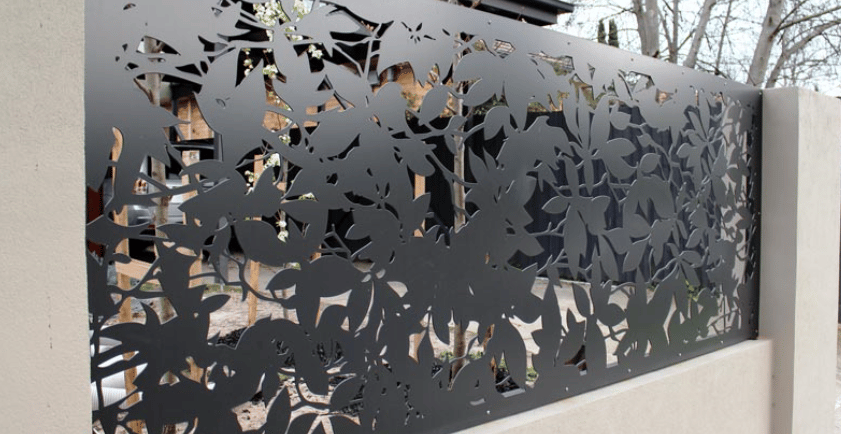
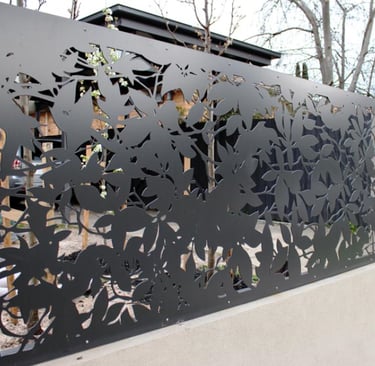
Mashrabiya, a traditional Arabic architectural element, often involves intricate workmanship and artistic design, which reflects in its cutting costs, particularly in Dubai. The average price range for cutting mashrabiya can vary significantly based on several factors, including size, design complexity, and craftsmanship level. Generally, customers can expect to pay between AED 300 to AED 1,500 per square meter when commissioning the cutting of a mashrabiya.
The size of the mashrabiya directly impacts the overall cost, with larger pieces requiring more material and labor, thus driving prices higher. Furthermore, the design intricacies play a vital role in determining expenses. Standard designs usually fall on the lower end of the price spectrum, while custom and intricate designs can escalate costs considerably due to the additional labor and artistic skill involved.
For those considering a standard mashrabiya for functional purposes, options can start at around AED 300 per square meter. In contrast, custom-designed pieces, tailored to specific architectural requirements or aesthetic preferences, can cost significantly more, reaching up to AED 1,500 or beyond. It is important to note that pricing may also be influenced by the choice of materials and the reputation of the artisan or brand producing the mashrabiya.
Understanding these aspects is crucial for budgeting effectively when looking to integrate a mashrabiya into a project in Dubai. Additionally, it is advisable for clients to obtain multiple quotes and consider the value offered by different craftsmen to ensure the best investment for their specific needs. This approach can provide insight into the market and help identify the most appropriate financial commitment for the desired design and craftsmanship.
Cost per sqm Factors
The pricing of mashrabiya cutting in Dubai is significantly influenced by various factors that are critical to consider when budgeting. Primarily, the type of wood selected plays a fundamental role in determining the cost per square meter. Different types of wood have varying prices, often dictated by their availability, durability, and aesthetic appeal. For instance, hardwoods such as teak or mahogany are typically more expensive compared to softer options like pine or plywood, impacting the overall cost of the finished product. It is vital to strike a balance between quality and budget while selecting wood, as cheaper woods may incur higher long-term maintenance costs.
Labor costs also greatly affect the price of mashrabiya cutting services. Skilled artisans with experience in crafting this traditional latticework are often required to ensure precision and craftsmanship, which can lead to higher labor charges. The complexity of the design also plays a substantial role; intricate patterns may necessitate more time and skill, thus amplifying labor costs accordingly. Furthermore, the location of the workshop or studio can influence these costs, as labor rates can vary across different areas within Dubai.
In addition to wood and labor, any additional finishing or protective treatments applied to the mashrabiya can further contribute to the pricing per square meter. Finishes such as varnishes, stains, or sealants not only enhance the aesthetic appeal but also protect the wood from wear and environmental elements. These treatments often entail additional costs but are crucial for ensuring longevity and durability of the final product. Understanding these diverse factors can aid prospective buyers in making informed choices when budgeting for mashrabiya cutting, ensuring they receive value without sacrificing quality.
Design Complexity Impact
The intricacy of mashrabiya designs plays a significant role in determining the cutting costs associated with this traditional architectural feature, particularly in Dubai. The cost implications can vary widely based on the complexity of the patterns and shapes involved in the design process. Simple geometric patterns can typically be produced more quickly and with less specialized skill, resulting in lower costs. In contrast, intricate designs require a higher level of craftsmanship, leading to increased labor costs and longer production times.
For instance, a straightforward mashrabiya design consisting of basic lattice patterns may take significantly less time to cut and assemble compared to an elaborate design featuring detailed arabesques or customized shapes. This complexity demands not only more skilled labor but also an array of specialized tools and techniques, which can add to the overall expenses. Moreover, the precise cutting methods required for intricate designs often necessitate advanced machinery or additional manual interventions, thus further increasing the project's budget.
Considering these factors, it becomes crucial for clients to assess their design choices carefully. A mashrabiya that is oriented towards ornamental grandeur, while aesthetically pleasing, may lead to a considerable rise in cutting costs. Conversely, opting for simpler designs could yield a more budget-friendly outcome without sacrificing the essence of this cultural element. Practical examples showcase this disparity: a basic mashrabiya can range from a few hundred dirhams for straightforward patterns, while highly complex options may run into thousands, depending on the intricacies involved.
Material & Thickness Pricing
Mashrabiya, a traditional latticework commonly found in Middle Eastern architecture, not only serves as a means of shade and ventilation but also adds a significant aesthetic value to any structure. The selection of materials used in crafting mashrabiya plays a crucial role in determining both the cost and the visual impact. Various materials, including different types of wood, metal, and composite options, can be utilized, each presenting unique attributes and price points.
Wood is by far the most popular material for crafting mashrabiya. Hardwoods, such as teak or mahogany, are favored for their durability and natural beauty. However, these premium woods come with a higher price label, often ranging from 200 to 400 AED per square meter, depending on the thickness and quality. Softwoods like cedar or pine are more affordable, typically priced between 100 to 200 AED per square meter, but may not offer the same longevity as their hardwood counterparts.
Metal mashrabiya, usually made from aluminum or wrought iron, is increasingly being adopted for its robustness and modern aesthetic. The costs for metal options vary, with aluminum generally falling in the range of 150 to 300 AED per square meter. This is a cost-effective alternative, especially for large installations. Composite materials are another option, combining the benefits of different material properties. These can range from 120 to 250 AED per square meter depending on the brand and specific characteristics.
Another critical factor in pricing is the thickness of the material used. Thicker materials tend to offer enhanced strength and durability, but they can also increase the overall cost significantly. For instance, while a 2cm thick piece may cost 20% more than a 1cm thick piece, it can provide a more solid structure and better insulation against weather elements. Therefore, when budgeting for a mashrabiya installation, it is essential to consider both the material choice and the thickness to attain the desired balance between quality and affordability.
Tips to Control Mashrabiya Budget
Controlling your budget for a mashrabiya project in Dubai requires careful planning and strategic decision-making. One effective method for managing costs is through the selection of cost-effective materials. Explore local suppliers who offer durable materials at competitive prices, as using locally sourced resources can significantly reduce expenditures on transportation and logistics, ultimately contributing to your overarching budgetary constraints. Additionally, opting for alternative materials that maintain the aesthetic appeal of traditional wood can yield remarkable savings. For example, high-quality composites or metals can replicate the intricate designs of mashrabiya while being more affordable.
Another strategy for optimizing costs is to consider less complex designs. While elaborate mashrabiya designs are visually stunning, simpler styles can be equally effective and much more economical. Take time to research various styles and consider how a minimalist approach can still achieve the desired cultural and artistic impact. This simplification not only reduces the initial costs but can also lower maintenance and repair expenses over time, creating a more sustainable option for your investment.
Effective negotiation techniques with craftsmen and suppliers can also play a pivotal role in managing your mashrabiya budget. Before beginning negotiations, perform comprehensive market research to better understand average pricing in the industry. This knowledge can empower you to engage constructively with suppliers to secure the best possible rates. It can be beneficial to build relationships with local artisans or suppliers, as establishing rapport often results in better deals and collaborative opportunities. By being open to alternative suggestions from craftsmen, you may discover additional options to enhance your budget management.
By implementing these practical recommendations, you can gain greater control over your mashrabiya project budget while still achieving an aesthetically pleasing outcome that aligns with your vision.
Comparative Analysis: Local vs. Imported Mashrabiya
The value and aesthetic appeal of mashrabiya, a traditional architectural feature in the Arab world, can vary significantly based on whether the product is locally sourced or imported. In Dubai, the choice between local and imported mashrabiya cutting services presents a spectrum of pricing, quality, and availability that potential buyers must consider when making a purchase.
Local mashrabiya manufacturers typically offer more competitive pricing compared to their imported counterparts. This is mainly due to lower shipping and logistics costs associated with local sourcing. Moreover, local artisans often possess in-depth knowledge of traditional techniques, allowing for higher customization options tailored to specific architectural requirements. However, the availability of materials can sometimes influence the final cost and lead time of production.
On the other hand, imported mashrabiya products might provide superior craftsmanship, particularly when sourced from regions historically recognized for their intricate designs. The reputation of certain countries in producing high-quality wooden products can command higher prices, and import tariffs may further elevate costs. Nonetheless, these imported options may come with the advantage of extensive designs that are not easily replicated locally, appealing to buyers seeking exclusivity.
However, quality assurance is crucial, as imported mashrabiya may vary significantly between suppliers. It is essential to vet and research the reputability of the source to avoid potential issues. Furthermore, the time taken for shipping can be a drawback, with local services typically allowing for quicker turnarounds, an important consideration for urgent projects.
Ultimately, the decision to choose local or imported mashrabiya should hinge on individual project requirements, budgetary constraints, and preferences for craftsmanship. Evaluating these factors will enable buyers to make informed choices that align with their specific needs.
Frequently Asked Questions (FAQs)
As individuals consider implementing mashrabiya designs into their spaces, a common avenue of inquiry emerges regarding the cutting costs associated with this unique architectural feature. Below, we address some of the most frequently asked questions related to budget and pricing for mashrabiya projects, ensuring readers are well-equipped with information to navigate their options.
What is the typical timeline for mashrabiya cutting and installation? The timeline for both cutting and installation of mashrabiya can vary based on several factors, including the complexity of the design, the materials used, and the workload of the contractor. Generally, clients can expect the cutting process to take anywhere from a few days to a couple of weeks. Installation usually occurs shortly after cutting is completed, often ranging from several days to a week. It is advisable to consult with your chosen contractor for a more precise timeline based on your specific project requirements.
What maintenance costs should I anticipate post-installation? After the installation of mashrabiya, routine maintenance is crucial to ensure longevity and aesthetic appeal. Maintenance costs are relatively modest; homeowners can expect to spend on cleaning and occasional repairs. Regular dusting and cleaning with non-abrasive solutions can prevent deterioration, and it is wise to conduct inspections bi-annually. Anticipate minor expenses for replacements or fixes, which can easily be factored into your budget for long-term sustainability.
How can I secure the best deals for my mashrabiya project? To secure the best pricing on your mashrabiya cutting project, it is advisable to shop around and solicit quotations from multiple contractors. Look for experience and customer reviews as key indicators of quality. Establishing clear project specifications and timelines can also facilitate more accurate pricing. Additionally, consider negotiating bulk purchasing discounts on materials and inquire about seasonal promotions or packages that may be available from local suppliers.
Get in touch
Address
Sharjah Industrial area 10
Contacts
056 396 9006
info@lasercuttingsharjah.com