Call:056 396 9006

The Art of Mashrabiya Cutting in Dubai: Transforming Interior Design Projects
LASER CUTTING SHARJAHLASER CUTTING DUBAICNC SERVICE SHARJAH
1/3/20267 min read
Introduction to Mashrabiya and Its Cultural Significance
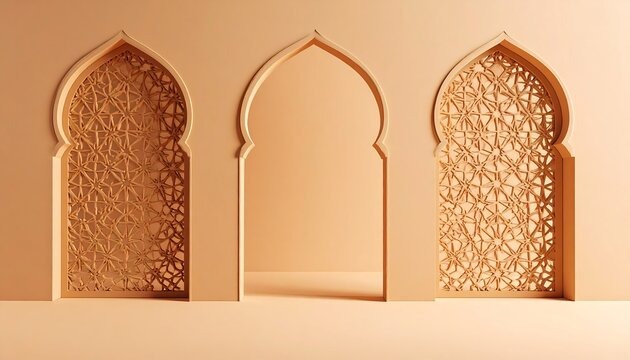
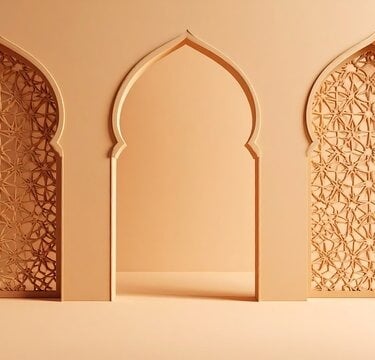
Mashrabiya is a traditional architectural element that is characterized by intricately carved wooden screens, which not only serve as decorative features but also play a functional role in the cooling and shading of interior spaces. Its historical roots can be traced back to the Islamic architectural traditions, where it was commonly used in the Middle East, particularly in the warmer climates of the Arabian Peninsula. The design of a mashrabiya allows for air circulation while maintaining privacy within homes, embodying a balance between openness and enclosure.
In the context of Dubai, mashrabiya holds significant cultural importance as it reflects the heritage and identity of the United Arab Emirates. The craftsmanship involved in creating these wooden screens is a testament to the artisanal skills that have been passed down through generations. As a result, mashrabiya not only enhances the aesthetic appeal of a space but also serves as a symbol of the rich cultural narrative embedded in Emirati society.
In recent years, there has been a notable resurgence of mashrabiya in contemporary interior design projects across Dubai. Designers and architects are increasingly incorporating this historic element into modern contexts, reinterpreting its traditional forms to suit today's aesthetic sensibilities. By blending the old with the new, mashrabiya has become a sought-after feature in both residential and commercial spaces, enhancing the visual richness and cultural depth of interior environments. The growing trend signifies not only a return to roots but also an appreciation for the timeless nature of such architectural elements in the face of rapidly evolving design paradigms.
Partitions & Room Dividers: Enhancing Space with Elegance
Mashrabiya cutting has gained significant popularity in modern interior design, particularly in its application as partitions and room dividers. These intricately designed wooden screens are not only functional but also serve as aesthetic elements that enhance the overall ambiance of both residential and commercial spaces. By integrating mashrabiya panels into interior layouts, designers can create distinct areas within open-plan spaces, thereby improving privacy and segmentation.
The use of mashrabiya panels as room dividers allows for greater flexibility in designing interiors. For instance, in a large living area, these dividers can provide an elegant solution for separating lounging areas from dining spaces, fostering a sense of intimacy without sacrificing the spaciousness of the overall environment. The perforated, lattice-like structure of mashrabiya offers a visual barrier that is less obstructive than solid walls, enabling light to flow between spaces while still creating a defined separation.
Furthermore, mashrabiya panels infuse traditional charm into modern interiors. Their historical significance in Arabic architecture adds a cultural dimension to contemporary design, making them a compelling choice for those looking to introduce authentic elements into their homes or offices. The intricate patterns typical of mashrabiya craftsmanship not only reflect artistry but also can be tailored to suit various design themes, from minimalistic to lavish aesthetics.
In commercial settings, the application of mashrabiya as partitions enhances the environment by creating private spaces for meetings or workstations, all while preserving an airy and open feel. Overall, incorporating mashrabiya cutting into interior designs as room dividers or partitions provides an elegant solution that balances functionality with visual appeal, thus elevating the aesthetic quality of any space.
Ceiling & Wall Panels: Aesthetic Appeal and Functionality
In contemporary interior design, mashrabiya cutting has emerged as a highly valued element, especially in the application of ceiling and wall panels. The intricate geometric patterns inherent in mashrabiya designs offer both aesthetic appeal and functional benefits, significantly enhancing the beauty and utility of interior spaces.
Visually, mashrabiya panels have the remarkable ability to add depth and texture to a room. The play of light and shadow created by these intricately carved panels can transform the ambiance of a space, making it feel warm and inviting. The distinctive designs not only serve as beautiful focal points but also reflect cultural heritage, thus enriching the overall character of a space. Interior designers often opt for these panels to create a sophisticated look, harmonizing traditional craftsmanship with modern interiors.
Functionally, mashrabiya ceiling and wall panels serve multiple purposes. Primarily, they improve ventilation—a key necessity in hot climates such as that of Dubai. The perforations in the panels promote air circulation, thereby enhancing the comfort of indoor environments. Furthermore, these panels provide effective shading, which helps reduce heat gain from sunlight, thereby contributing to energy efficiency by minimizing reliance on air conditioning systems.
Additionally, the use of mashrabiya as ceiling and wall panels can also contribute to sound absorption, making spaces quieter and more serene. This multifaceted approach to design not only improves the aesthetic quality of interiors but also ensures that they are functional and comfortable, exemplifying the true art of mashrabiya cutting in Dubai's interior design landscape.
Staircase & Balcony Screens: Merging Safety with Style
The incorporation of mashrabiya design elements into staircase and balcony screens has emerged as a significant trend in Dubai's architectural landscape. These screens serve dual purposes: enhancing safety and complementing the aesthetic appeal of contemporary spaces. The patterned woodwork synonymous with traditional mashrabiya infuses a cultural essence into modern settings, creating an inviting atmosphere.
One of the primary functional advantages of mashrabiya screens is their ability to safeguard open areas without sacrificing visibility. By adopting an intricate lattice design, the screens form protective barriers that allow light and air to flow freely while maintaining an unobstructed sightline. This is particularly vital in multi-story buildings where balcony and staircase areas require both protection and design integrity. The interplay of shadow and light cast through the open patterns of mashrabiya not only enhances visual interest but also adds a dynamic element to the environment.
Several successful examples of this design approach can be found throughout Dubai. For instance, luxury residential complexes have introduced mashrabiya screens in their common areas, merging both functionality and elegance. These screens have been specifically crafted to withstand environmental factors while providing a stylish solution to safety. Additionally, public spaces, such as shopping malls, have employed similar designs to adorn escalators and staircases, offering visitors an experience that is both secure and visually stunning.
Ultimately, the innovative combination of safety and style through mashrabiya screens significantly enriches the urban fabric of Dubai. Their adaptability in various design contexts, coupled with their cultural relevance, positions mashrabiya as not just a decorative choice but a crucial element in modern construction that upholds both heritage and innovation.
Lighting Integration: Creating Ambiance with Mashrabiya
The integration of lighting with mashrabiya cutting techniques significantly enhances the aesthetic appeal of interior design projects in Dubai. Mashrabiya, characterized by its intricate latticework, serves as an exceptional medium for creating unique lighting effects that manipulate both light and shadow within a space. When strategically designed, the patterns of a mashrabiya can transform an ordinary room into an inviting sanctuary by drawing the eye and enhancing the overall atmosphere.
One popular technique involves backlighting the mashrabiya, which allows light to filter through the geometric patterns and cast beautiful shadows on the walls. This creates a warm glow that adds depth and dimension to the room. Additionally, the use of LED strips or soft light sources can be placed behind the mashrabiya, providing an edge-lit effect that accentuates the craft of the design while simultaneously illuminating the surrounding area.
Another effective approach is to incorporate recessed lighting around or above the mashrabiya feature. This method effectively highlights the delicate craftsmanship while providing ample functional light for the room. Moreover, adjustable lighting can be employed to cater to different activities or moods, ensuring that the ambiance remains flexible. The interplay between natural and artificial light also plays a crucial role; during the daytime, sunlight passing through the mashrabiya creates a dynamic visual experience, while nighttime can bring a more intimate setting with controlled lighting options.
Furthermore, merging traditional mashrabiya designs with modern lighting solutions can yield exquisite results. For instance, incorporating pendant lights or chandeliers in proximity to mashrabiya elements presents an opportunity to blend old-world charm with contemporary elegance. This juxtaposition not only enhances the overall design but also invites continuous interaction between light and the atmosphere of the space.
Acoustic Benefits: Sound Management through Design
Mashrabiya is not only a symbol of traditional Arab architecture; it also plays a significant role in managing acoustics within interior spaces. The intricate latticework creates an effective barrier to external noise, transforming noisy environments into serene abodes. The design of mashrabiya, with its detailed wooden grilles, helps to absorb sound, minimizing echoes and reverberations that can be common in large, open areas.
The acoustic properties of mashrabiya are particularly beneficial in densely populated urban settings like Dubai, where noise pollution can be a considerable challenge. By incorporating mashrabiya elements into residential or commercial spaces, architects and interior designers can achieve a harmonious balance between aesthetic appeal and sound management. The design offers a dynamic interaction between light and sound, as the openings allow for airflow while simultaneously acting as an acoustic buffer.
Furthermore, the strategic placement of mashrabiya can enhance privacy without completely isolating spaces, thus providing an acoustic solution that fosters both intimacy and community. In office environments, for instance, the subtle sound dampening properties can lead to increased productivity by reducing distractions caused by surrounding conversations.
More than just a traditional motif, the mashrabiya serves a dual purpose in modern interiors. It is a versatile element that can be adapted to various architectural forms, allowing for innovative design solutions that prioritize acoustic comfort. Whether used in homes, hotels, or open-plan offices, the inclusion of mashrabiya can improve the overall soundscape, contributing to a more pleasant and tranquil environment for inhabitants and visitors alike.
Conclusion: The Future of Mashrabiya in Interior Design
The mashrabiya, a traditional architectural element rooted deeply in the cultural heritage of the Arab world, particularly in Dubai, continues to assert its significance in contemporary interior design. As the architectural landscape evolves, the mashrabiya embodies a unique blend of functionality and artistry, allowing designers to explore endless possibilities. Its ability to balance privacy and light has made it a staple in modern buildings, enhancing not only aesthetic appeal but also the environmental performance of spaces.
In the future, mashrabiya is poised to embrace innovations that merge technology and craftsmanship. Designers are likely to employ advanced materials and techniques, enabling intricate patterns to be more accessible and customizable than ever before. This fusion could lead to new sizes and forms, such as freestanding elements or room dividers, which maintain the essence of traditional mashrabiya while adapting to the needs of contemporary settings. Utilizing sustainable materials will also play a pivotal role, aligning with global trends towards eco-friendly design.
Moreover, the mashrabiya's versatility allows its integration into various styles, from minimalist interiors to luxurious spaces. The ongoing revitalization of this art form invites designers to delve into its historical significance while pushing creative boundaries. Interior designers in Dubai and beyond might find inspiration in the rich tapestry of patterns and textures synonymous with mashrabiya, crafting environments that honor tradition while fostering innovation.
As interest in cultural heritage continues to burgeon, the future of mashrabiya in interior design looks promising. This time-honored element can evolve into an emblem of modernity, serving as a reminder that the past and future of architectural beauty can coexist harmoniously.
Get in touch
Address
Sharjah Industrial area 10
Contacts
056 396 9006
info@lasercuttingsharjah.com