Call:056 396 9006
Understanding Sheet Metal Laser Cutting Costs in Dubai
LASER CUTTING SHARJAHLASER CUTTING DUBAICNC CUTTING DUBAICNC CUTTING SHARJAH
1/20/20267 min read
The Impact of Sheet Size and Thickness on Costs
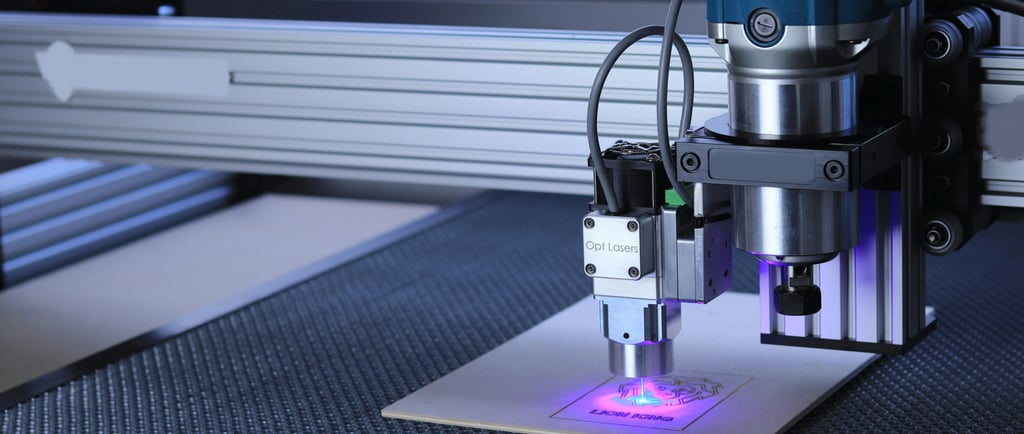
The dimensions and thickness of sheet metal play a crucial role in determining the overall costs associated with laser cutting services in Dubai. Larger sheets inherently require more material, which translates directly to increased material costs. Additionally, the cutting process for larger dimensions typically demands more labor, further elevating the overall price point. Therefore, when considering laser cutting for sizable sheets, one must account for these compounded expenses.
Furthermore, thickness is another significant factor influencing costs. Different thickness levels necessitate specific laser settings, including varying power usage and cutting speeds. Thicker materials generally require higher power input to achieve precise cuts, which can lead to increased energy consumption and longer cutting times. As a result, thicker sheets not only elevate the material costs but also escalate operational expenses during the cutting process.
It is also worth noting that laser cutting technology operates optimally within certain thickness ranges. Exceeding these ranges may require specialized equipment or adjustments, further complicating the cost structure. Laser cutting services must balance efficiency with these technical necessities, ultimately influencing pricing decisions. In Dubai, where competition among service providers is high, businesses may vary in how they calculate these costs based on their equipment, expertise, and overall operational efficiencies.
In conclusion, the dimensions of the sheet and its thickness significantly impact the costs associated with laser cutting services. Companies seeking these services should assess their specific needs and weigh the trade-offs between material size, thickness, and the corresponding costs to make informed decisions about their projects.
Nesting Efficiency and Waste Reduction Techniques
Nesting is a critical process in sheet metal laser cutting that involves strategically arranging the parts on a sheet to maximize material use and minimize waste. An effective nesting process can lead to substantial savings in project costs, particularly in a competitive market like Dubai. By employing advanced nesting software tools, manufacturers can optimize layouts to fit the maximum number of parts onto each sheet, significantly reducing the amount of scrap generated.
Several software solutions are available that facilitate efficient nesting. These tools utilize algorithms that consider the dimensions of the parts and the shape of the sheet metal, automatically creating configurations that minimize gaps and excess material. Such software can also provide simulation capabilities, allowing operators to visually assess the layout before production begins, thereby ensuring an effective nesting approach from the start.
In addition to using advanced software, various strategies can also be implemented to enhance nesting efficiency. For instance, redesigning parts to simplify their shapes can lead to better nesting arrangements. Furthermore, conducting regular yield assessments can help manufacturers identify the most favorable designs and materials that yield the least waste and cost. Techniques such as grouping similar parts together or using common-edge cuts can also work effectively in reducing waste.
By focusing on nesting efficiency and employing strategic waste reduction techniques, businesses in Dubai can optimize their laser cutting projects. The savings realized through effective nesting translate not only into lower production costs but also into improved sustainability practices, as less waste contributes to more environmentally friendly manufacturing processes. As industries continue to embrace technologies that promote efficiency, the role of nesting will remain pivotal in determining the overall cost-effectiveness of sheet metal fabrication.
Production Volume Pricing and Its Effects
The costs associated with sheet metal laser cutting services in Dubai can vary significantly based on the production volume. In general, the unit price for laser-cut sheets decreases as the quantity increases, a phenomenon widely referred to as bulk order pricing. This cost reduction is particularly crucial for businesses looking to maximize their efficiency and minimize expenditures.
When companies place bulk orders for laser cutting services, they are often rewarded with discounts that can substantially decrease the overall cost per sheet. These discounts are provided because larger orders allow the service providers to amortize setup and operational costs across a greater number of units. Consequently, the initial setup costs—such as programming the laser cutting machinery and preparing the materials—become less daunting when spread over a larger production volume.
Moreover, by increasing production levels, companies can efficiently leverage economies of scale. This principle suggests that as production volume rises, the average cost per unit tends to decline due to the benefits derived from increased operational efficiency. For instance, higher production rates can lead to faster turnaround times and reduced labor costs, allowing manufacturers to produce more in less time and at a lower cost.
It is also worth noting that consistent production volume can facilitate better negotiation terms with laser cutting service providers. Companies can establish long-term relationships that may lead to preferential pricing or added value services, such as expedited delivery or enhanced customization options. In essence, understanding how production volume pricing affects laser cutting costs is vital for businesses intent on optimizing their manufacturing processes in Dubai.
Common Applications of Sheet Metal Laser Cutting
Sheet metal laser cutting is a versatile fabrication process utilized across various industries, including automotive, aerospace, and construction. Understanding the common applications of this technology is crucial for estimating costs and determining pricing for specific needs.
In the automotive industry, laser cutting is employed to create precise components such as chassis, brackets, and enclosures. The ability to produce intricate designs with tight tolerances ensures that parts fit seamlessly, which is essential for vehicle performance and safety. Moreover, the rapid production capability allows automotive manufacturers to respond to market demands efficiently while keeping costs manageable.
The aerospace sector also benefits significantly from sheet metal laser cutting. Components such as wing ribs, fuselage sections, and engine mounts require high precision and lightweight materials to enhance fuel efficiency. Laser cutting provides the accuracy necessary to meet the stringent regulatory standards of this industry, thereby reducing waste and ensuring safety in the final products.
In the construction industry, laser-cut sheet metal is used to fabricate architectural elements, structural supports, and decorative features. The adaptability of laser cutting technology allows for customization in design, which can cater to both aesthetic and functional requirements. This flexibility also aids in lowering costs by minimizing material waste during the production process.
Recognizing these applications provides insight into how sheet metal laser cutting is priced. For instance, components that require advanced engineering or specialized materials may incur higher costs due to the complexity of the process. Therefore, being aware of the various applications can be beneficial for businesses in estimating their project budgets accurately.
Techniques to Lower Sheet Metal Laser Cutting Costs
Reducing costs associated with sheet metal laser cutting services can significantly affect overall project budgets. By implementing specific strategies, businesses can minimize their expenses while maintaining quality. One effective approach is selecting the right material. Certain metals, like aluminum and mild steel, can be more cost-effective options compared to harder alternatives such as titanium or stainless steel. Understanding the attributes of each material and evaluating their suitability for the intended application ensures informed choices that impact overall cost efficiency.
Another vital technique is optimizing the design for minimal waste. Employing software tools that enhance design efficiency can lead to laser cutting layouts that maximize material usage. Considerations such as nesting parts closely together on the sheet and reducing excessive cutouts can significantly minimize scrap material. Design alterations, like utilizing simpler geometries, can also enhance cutting time and reduce costs without sacrificing functionality.
In addition to these strategies, exploring alternative cutting methods may also be beneficial. While laser cutting offers high precision and efficiency, methods like waterjet cutting or mechanical cutting can be more economical for specific projects. Assessing the requirements and tolerances of each task will guide the choice of the most cost-effective cutting technique. Companies should also engage with experienced service providers who can offer tailored solutions based on the project needs.
Utilizing these techniques not only leads to lower sheet metal laser cutting costs but can also contribute to a more sustainable business model, ensuring that resources are used efficiently and effectively. By refining processes and embracing innovative methods, organizations can navigate the complexities of laser cutting services in Dubai while keeping costs manageable.
Factors Influencing Laser Cut Pricing in Dubai
The pricing of laser cutting services in Dubai is influenced by a myriad of internal and external factors. Understanding these elements allows customers to make informed decisions and businesses to strategically navigate the competitive landscape. One of the primary external factors is market demand. High demand for laser cutting services can drive prices up, especially during peak construction or manufacturing periods. Alternatively, a decrease in demand may lead to more competitive pricing as service providers seek to attract clients.
Technological advancements in laser cutting also play a significant role in pricing structures. As new technologies emerge, they often introduce enhanced capabilities and efficiencies, which can impact operational costs. For instance, the adoption of newer, more precise cutting machines may require upfront investment but can lead to lower long-term costs due to decreased material wastage and faster processing times. Consequently, service providers that leverage advanced technology may charge higher fees that reflect the increased quality and efficiency of their offerings.
Supplier relationships are another crucial factor influencing laser cut pricing. Providers with strong affiliations with raw material suppliers can often secure better rates for materials, allowing them to either pass savings onto customers or maintain competitive pricing. Additionally, the quality and type of materials selected for cutting can greatly affect the overall cost, as high-grade materials often command premium prices.
Finally, seasonal trends can affect pricing in various ways. For example, during certain times of the year, there may be fluctuations in demand driven by industry-specific cycles, such as holidays or events. Understanding these cyclical trends can provide businesses and customers with insights into optimal timing for their projects, which can lead to more cost-effective decisions regarding laser cutting services.
Conclusion and Key Takeaways
In examining the costs associated with sheet metal laser cutting in Dubai, it becomes apparent that several interrelated factors significantly influence pricing. Businesses must consider the type of materials being cut, the thickness of the sheet metal, and the complexity of the design. Additionally, the choice of service provider can play a crucial role in determining costs, as different companies may utilize various technologies or pricing structures.
It is essential for businesses to weigh the initial expenses against the potential benefits of employing laser cutting technology. Although the upfront costs may seem considerable, the precision and efficiency offered by laser cutting can lead to substantial long-term savings. Companies that understand these dynamics will be better equipped to make informed decisions that align with their production needs and budget constraints.
Moreover, the impact of market conditions, such as material costs and competition, cannot be overlooked. Staying abreast of these changes enables businesses to adapt their strategies accordingly and to negotiate better terms with suppliers and cutting services. By prioritizing cost efficiency while maintaining quality, organizations can enhance their operational performance.
Ultimately, understanding the nuances of sheet metal laser cutting costs in Dubai is crucial for businesses seeking to optimize their production processes. By taking into account the various influencing factors, companies can strategically plan their investments in laser cutting technology, ensuring they remain competitive in a rapidly evolving market. A well-informed approach to managing laser cutting expenses will lead to greater profitability and enhanced product offerings.
Get in touch
Address
Sharjah Industrial area 10
Contacts
056 396 9006
info@lasercuttingsharjah.com