Call:056 396 9006

Understanding the Cost of Mashrabiya Partitions in Dubai
LASER CUTTING SHARJAHLASER CUTTING DUBAICNC SERVICE SHARJAHCNC CUTTING DUBAI
1/15/20267 min read
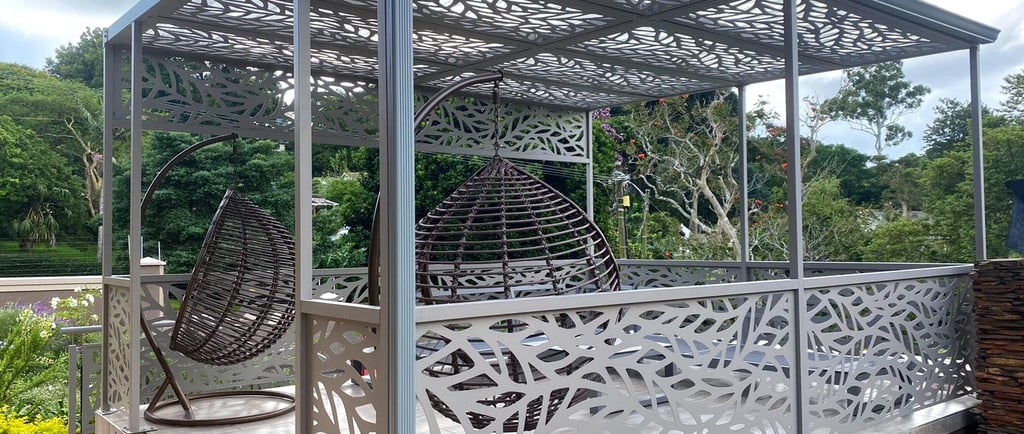
Introduction to Mashrabiya Partitions
Mashrabiya partitions hold a prominent place in the architectural landscape of the Middle East, serving both practical and aesthetic functions in traditional designs. These elaborate wooden latticework screens have been utilized for centuries, showcasing the rich cultural heritage of the region. The term "mashrabiya" itself derives from the Arabic word "sharba", which means to drink, reflecting their initial use in providing shaded areas for accessing drinking water from elevated platforms.
In essence, mashrabiya partitions are a remarkable combination of artistry and functionality, skillfully crafted to enhance privacy while facilitating ventilation. The intricate designs allow air to circulate through the lattice, which helps to cool interior spaces in the intensely hot climates typical of the region. This feature not only contributes to comfort but also plays a crucial role in reducing reliance on artificial cooling systems, thereby promoting sustainability.
Moreover, these elegant screens serve as visually striking elements that contribute to the unique character of Middle Eastern architecture. The geometric patterns prevalent in mashrabiya designs are often symbolic, representing the cultural values and beliefs of the communities they originate from. They add an aesthetic dimension that is significant, enhancing the visual appeal of both residential and commercial spaces.
Today, mashrabiya partitions continue to be relevant, adapting to contemporary architectural trends while still embodying their rich historical roots. Their cultural significance in Dubai's architecture highlights not only the artistic ingenuity of the past but also the ongoing dialogue between tradition and modernity. As cities evolve, mashrabiya remains a testament to the artistry and functionality desired in urban living.
Factors Influencing the Cost of Mashrabiya Partitions
The cost of mashrabiya partitions in Dubai can be influenced by several key factors. One of the primary considerations is the material used in the creation of these partitions. Common materials include wood, metal, glass, and composites. Each material has its own price point, durability, and aesthetic appeal, thereby affecting the overall cost. For instance, while wooden mashrabiya may provide a traditional look, it might require more maintenance compared to metal or glass options.
Another important factor is the design complexity. Custom-made designs that feature intricate patterns or unique shapes typically require more labor and expertise than simpler designs. The overall craftsmanship involved in creating these detailed patterns can significantly increase the cost of mashrabiya partitions. As such, homeowners and businesses need to consider both their budget and the desired aesthetic when selecting their partition design.
Furthermore, the size of the mashrabiya partition plays a crucial role in determining its cost. Larger partitions will inevitably require more material and labor, thus raising the price. It's essential to establish the appropriate size for the intended space while balancing functional needs with budget constraints.
Lastly, the installation process also contributes to the overall expense. Professional installation might be necessary to ensure that the partitions are securely and correctly fitted, adding to the cost of the project. Factors such as the complexity of the installation site and the need for additional structural support can impact the cost significantly.
In conclusion, when considering the cost of mashrabiya partitions in Dubai, it is crucial to evaluate the materials, design complexity, size, and installation requirements, as each of these factors will contribute to the final pricing.
Comparing Different Materials for Mashrabiya Partitions
Mashrabiya partitions are traditionally celebrated for their aesthetic value and functionality, providing privacy while allowing for airflow and light. The choice of material is crucial as it significantly influences both the cost and longevity of these partitions. In Dubai, the most common materials used for constructing mashrabiya partitions include wood, metal, and composite materials, each offering unique advantages and drawbacks.
Wood is often favored for its timeless appeal and natural beauty. Various types of wood, such as teak and mahogany, are used for crafting intricate designs which lend a warm and authentic feel to interiors. However, wooden mashrabiya partitions typically require more maintenance due to susceptibility to environmental factors such as humidity and insects. The initial cost can be higher for quality wood, with additional long-term costs associated with upkeep and occasional refinishing.
Metal, on the other hand, offers durability and resistance to the elements, making it an increasingly popular choice for urban settings like Dubai. Aluminum or wrought iron mashrabiya partitions provide a modern edge, with their sleek designs complementing contemporary architecture. The initial investment may be lower than that of high-quality wood, but metal partitions can incur higher costs in terms of installation, especially if customized. Additionally, while they require less maintenance than wood, they may need occasional protective treatments to prevent corrosion over time.
Composite materials combine the advantages of both origins, being lightweight, durable, and resistant to environmental damage. These materials can be designed to mimic traditional wood or metal appearances while offering lower maintenance needs and longer lifespans. While their initial costs might be similar to metal, the absence of long-term maintenance fees can make them economically appealing.
In selecting the appropriate material for mashrabiya partitions, one must weigh the initial expense against long-term costs and maintenance requirements, ensuring a balance between aesthetic goals and budgetary constraints.
Custom vs. Pre-Fabricated Mashrabiya Partitions
Mashrabiya partitions serve as a hallmark of traditional architectural design, particularly in the context of Dubai, where their cultural significance is profound. When considering the installation of these elegant wooden screens, one must evaluate the options of custom-made versus pre-fabricated mashrabiya partitions, as each presents its own unique advantages and challenges.
Custom-made mashrabiya partitions are specifically crafted to meet individual project requirements, allowing for personalized design elements that align with the aesthetic vision of the client. The primary benefit of this approach is the ability to tailor the dimensions, patterns, and materials to suit the specific space, resulting in a cohesive and harmonious look that enhances the overall architectural theme. However, custom solutions often come at a higher cost due to the intricate craftsmanship involved and the time required for fabrication. Such investments may be justified for high-end projects or when unique specifications are essential.
In contrast, pre-fabricated mashrabiya partitions offer a more cost-effective and time-efficient alternative. These partitions are manufactured in bulk, allowing for quicker installation and reduced labor costs. Pre-fabricated options can also provide a satisfactory level of quality and aesthetic appeal, catering to those with budgetary constraints or timelines that necessitate expedited construction. Nevertheless, buyers should be aware that pre-fabricated partitions may lack the customization and specificity of measurement that a tailored design can offer. This can result in compromises regarding fit and overall visual harmony within a particular space.
Ultimately, the choice between custom and pre-fabricated mashrabiya partitions hinges on several factors, including budget, project scope, and aesthetic preferences. Each option brings its own set of considerations, shaping the decision-making process for homeowners and designers alike.
Cost Breakdown: Installation and Labor
The installation of mashrabiya partitions in Dubai involves multiple cost factors that potential buyers should consider. Typically, the overall expenditure is bifurcated into materials and labor costs. While the cost of materials can fluctuate according to the design, size, and type of wood or other substances chosen, labor costs represent a significant portion of the total price for these intricate designs.
When hiring skilled craftsmen, it is essential to factor in their experience and the complexity of the installation process. Craftsmen possessing extensive experience in traditional Arabic architecture may command a higher hourly rate, often ranging from AED 100 to AED 250 per hour depending on their expertise and the project's challenges. The intricate nature of mashrabiya designs requires specialized skills, potentially increasing labor costs compared to more straightforward partition options.
Alternatively, some homeowners might consider a Do-It-Yourself (DIY) approach to save on installation costs. However, while DIY can reduce expenses, it is important to evaluate one's skill set, tools, and familiarity with carpentry. An amateur attempt at installation might not only result in subpar outcomes but could also lead to additional costs for repairs or professional assistance later on, negating any initial savings.
Cost estimates for installing mashrabiya partitions typically land between AED 1,500 and AED 5,000, depending on the size and complexity involved, which hints at the necessity for diligent budgeting. Thus, conducting thorough research and obtaining quotes from various contractors or skilled artisans before finalizing the installation details is highly advisable. The combination of materials and labor costs must be carefully analyzed to ensure transparency and affordability throughout the project.
Average Pricing for Mashrabiya Partitions in Dubai
In the dynamic market of Dubai, the cost of mashrabiya partitions can vary significantly, influenced by factors such as size, material quality, design complexity, and specific vendor pricing structures. On average, customers can expect to pay anywhere from AED 300 to AED 1,200 per square meter. Lower-end options typically utilize more affordable materials and basic designs, while more intricate choices featuring premium materials can drive prices higher.
When comparing prices from various vendors, it is evident that regional specialties and craftsmanship also play a role in determining cost. Artisans specializing in traditional designs may charge a premium for their expertise in creating authentic, aesthetically pleasing installations. Conversely, mass-market suppliers may offer more standardized designs, often at a reduced rate. For instance, companies that import pre-fabricated mashrabiya panels may offer lower pricing structures due to decreased labor costs, as they rely on automation and efficiency.
Additionally, customization choices can heavily influence the overall cost of mashrabiya partitions. Tailored designs that require bespoke measurements or unique aesthetics will generally result in higher expenses compared to off-the-shelf products. Customers should also consider installation costs, which may add an additional AED 50 to AED 150 per meter depending on the complexity of the installation and the expertise of the workers involved.
It's important to engage in market research and obtain multiple quotes from different vendors to truly understand the pricing landscape. By comparing these quotes, potential buyers can not only find a suitable price range but also gauge the quality and customer service associated with each vendor, ultimately leading to more informed purchasing decisions.
Conclusion and Final Thoughts
Throughout this blog post, we have examined the various aspects influencing the cost of mashrabiya partitions in Dubai. These traditional architectural elements not only offer aesthetic appeal but also serve practical functions, including privacy enhancement and environmental comfort through ventilation and shading. The decision regarding the installation of mashrabiya partitions involves several considerations such as materials used, design complexity, and installation expenses.
As we have discussed, the overall cost can vary significantly based on individual preferences and the level of customization desired. Factors such as the type of wood or materials selected, the complexity of the design, and labor costs play crucial roles in determining the final price. Additionally, considering local regulations and the specific characteristics of the property can impact the final decision.
For prospective buyers or homeowners in Dubai looking to incorporate mashrabiya partitions into their spaces, it is imperative to assess personal needs and budget constraints carefully. While it is tempting to opt for lower-cost solutions, investing in quality craftsmanship can lead to long-term satisfaction and durability. Consulting with professionals who specialize in mashrabiya design and installation can provide personalized estimates tailored to individual requirements. These experts can guide clients through the selection process, ensuring that the chosen partitions align with both style and function.
Ultimately, the investment in mashrabiya partitions should reflect a balance between aesthetic desires and practical needs, enhancing the living or working space while respecting financial considerations. By considering the information provided throughout this article, readers are encouraged to make well-informed choices regarding their own mashrabiya projects, ensuring a harmonious blend of tradition and modernity in their environments.
Get in touch
Address
Sharjah Industrial area 10
Contacts
056 396 9006
info@lasercuttingsharjah.com