Call:056 396 9006
Wooden Mashrabiya Panels Dubai: Traditional Islamic Design with Modern CNC Precision
LASER CUTTING SHARJAHLASER CUTTING DUBAICNC CUTTING SHARJAHCNC CUTTING DUBAI
1/8/20265 min read
Wooden Mashrabiya Panels Dubai: Traditional Islamic Design with Modern CNC Precision
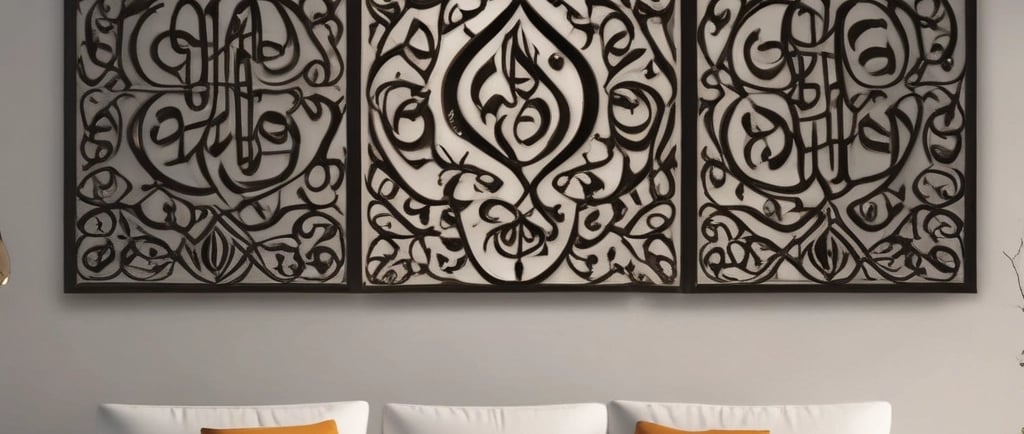
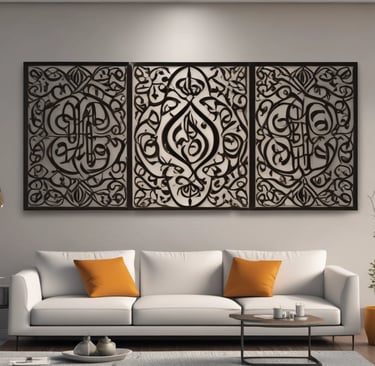
In the vibrant architectural and interior design landscape of Dubai in 2026, wooden mashrabiya panels Dubai and CNC mashrabiya cutting Dubai are at the pinnacle of luxury trends. These exquisite Islamic wooden panels Dubai and decorative mashrabiya Dubai seamlessly merge centuries-old Arabian heritage with cutting-edge technology, gracing high-end villas in Palm Jumeirah, opulent hotels along Sheikh Zayed Road, and contemporary majlis spaces across the emirate. Dubai's unique blend of tradition and innovation makes it the perfect hub for reviving mashrabiya, where intricate latticework not only enhances aesthetic appeal but also provides practical benefits like privacy, natural ventilation, and light filtration in the intense desert climate.
This in-depth guide explores the fascinating history of mashrabiya, the transformative role of CNC precision in Dubai's fabrication scene, suitable wood types for the local environment, indoor versus outdoor applications in Dubai villas and hotels, common uses in residential and commercial spaces, finishing techniques for durability, and the choice between custom and ready-made options. Whether you're a homeowner in Jumeirah, an interior designer working on Dubai Marina projects, or an architect specifying for Dubai Hills Estate, wooden mashrabiya panels Dubai offer timeless elegance with modern functionality.
History of Wooden Mashrabiya: Roots in Islamic Architecture and Relevance in Dubai
The mashrabiya, a hallmark of Islamic architecture, has deep historical roots that resonate strongly with Dubai's cultural revival in 2026. Originating in the medieval Islamic world, possibly as early as the Abbasid period in Baghdad (12th century), the term derives from the Arabic word for "drinking place," referring to its initial use for cooling water jars through evaporation. Early forms appeared in Egypt, Syria, and Iraq, evolving into ornate projecting windows during the Mamluk and Ottoman eras.
In traditional Arabian homes, mashrabiya served multiple purposes: providing privacy (especially for women viewing the street unseen), passive cooling via airflow, humidity control, and diffused natural light creating mesmerizing shadow patterns. Geometric patterns—stars, florals, arabesques, and calligraphy—embodied Islamic principles of infinity and harmony, avoiding figurative representations.
Though mashrabiya declined in the 20th century with modernization and air conditioning, Dubai's architectural renaissance has revived it. Iconic projects like the Louvre Abu Dhabi (inspired dome) and Al Bahr Towers demonstrate its adaptation, but wooden versions thrive in Dubai's luxury villas and hotels for authentic cultural depth. In Dubai, mashrabiya echoes the emirate's Bedouin heritage while aligning with Vision 2031's emphasis on sustainable, culturally rooted design. Historic influences from Ottoman and Persian styles are evident in restored areas like Al Fahidi, inspiring modern Dubai interpretations.
Dubai's rapid growth has seen mashrabiya evolve from functional necessity to symbolic luxury. In the 21st century, it symbolizes the city's fusion of past and future—seen in Palm Jumeirah villas where traditional latticework meets minimalist interiors. The revival is fueled by expatriates and locals seeking personalized spaces that honor Emirati identity amid globalization.
Role of CNC in Precision Cutting: Revolutionizing Mashrabiya in Dubai
CNC mashrabiya cutting Dubai has revolutionized the production of wooden mashrabiya panels Dubai, bringing unprecedented precision to this ancient craft. Traditional hand-carving was time-consuming and limited by artisan skill, but Dubai's advanced fabrication industry—home to companies like UAE CNC Works, Sunshine CNC Technical Works, United Technical Services, Callow Manufacturing, and ABIYA—uses state-of-the-art CNC routers and lasers for flawless execution.
Advantages in Dubai's context include:
Ultimate Precision: CNC machines replicate intricate Islamic geometries—interlocking stars, Kufic script, floral motifs—with micron accuracy, ensuring uniformity for large-scale Dubai villa projects.
Complex Design Capabilities: Curves, perforations, and 3D effects once impossible manually are now standard, allowing fusion of traditional Mashrabiya with modern minimalism popular in Dubai interiors.
Efficiency and Sustainability: Optimized cutting reduces waste, vital in Dubai's eco-conscious market. Faster production meets tight deadlines for hotel fit-outs and residential developments.
Material Versatility: Seamless work with woods, MDF, and hybrids, producing durable panels suited to Dubai's humidity and temperature swings.
Dubai specialists like UAE CNC Works in Al Quoz offer specialized mashrabiya services, while ABIYA handles high-volume projects up to 6000 sqm monthly. This technology democratizes access, making bespoke Islamic wooden panels Dubai affordable for mid-range villas alongside ultra-luxury ones.
In Dubai's competitive market, CNC enables backlit mashrabiya for dramatic effects in hotel lobbies or adjustable panels for smart homes. The precision ensures climate-resistant joins, preventing warping in AC-heavy environments.
Wood Types Suitable for Mashrabiya: Best Choices for Dubai's Climate
Selecting the right wood is crucial for wooden mashrabiya panels Dubai, given the emirate's extreme heat, humidity, sand, and indoor-outdoor contrasts.
Beech: A traditional favorite—strong, fine-grained, excellent for intricate CNC carving. Stable in Dubai's conditions with proper sealing.
Walnut: Luxurious dark tones add opulence; durable and popular in high-end Dubai villas for rich aesthetics.
Pine: Affordable, lightweight; suitable for larger panels in budget-conscious projects.
Cedar (Atlas Cedar): Naturally aromatic and pest-resistant; evokes Moroccan influences seen in Dubai's diverse designs.
Teak and Oak: Premium hardwoods—teak's oil content resists moisture, ideal for semi-outdoor use; oak offers strength and classic grain.
MDF with Veneer: Dominant in modern Dubai—smooth, uniform for precise CNC; moisture-resistant grades combat humidity. Real wood veneer (walnut/oak) provides authentic look without solid wood's warping risks.
For Dubai's climate, engineered options like veneered MDF prevail—stable against expansion/contraction from AC. Solid woods require acclimatization and treatments. Suppliers recommend UV-protective finishes to prevent fading from intense sun.
Indoor vs Outdoor Usage: Applications in Dubai's Harsh Environment
Decorative mashrabiya Dubai excels indoors but demands caution outdoors.
Indoor: Preferred in Dubai villas and hotels—filters light for dappled patterns, enhances airflow in majlis, provides privacy. Thrives in controlled AC environments; wood/MDF lasts decades.
Outdoor: Challenging due to heat (50°C+), humidity, sandstorms, UV. Solid teak/cedar or treated woods possible for balconies/Palm Jumeirah terraces, but many opt for aluminum hybrids (e.g., Eminence Metal, Metal Master) mimicking wood grain—durable, low-maintenance.
Mashrabiya reduces indoor temperatures 2-8°C via shading/ventilation, cutting AC costs in energy-conscious Dubai. Indoor dominates luxury hotels (e.g., Fairmont Palm lounges) and villas.
Common Applications: Enhancing Dubai Villas, Hotels, and Majlis
Islamic wooden panels Dubai transform spaces:
Majlis and Living Rooms: Privacy screens, feature walls in Dubai villas—light play elevates gatherings.
Room Dividers/Partitions: Open-plan Dubai homes—airflow/light while separating spaces.
Windows/Balconies: Traditional privacy in Jumeirah villas.
Headboards, Ceilings, Doors: Textural accents in bedrooms/hallways.
Hotels and Commercial: Lobbies (e.g., Mashrabiya Lounge, Fairmont), partitions in Dubai Marina hotels.
In Dubai villas (Palm Jumeirah, Emirates Hills), mashrabiya fuses with modern minimalism—backlit for drama. Hotels use for cultural ambiance.
Finishing & Protection: Ensuring Longevity in Dubai
Protect wooden mashrabiya panels Dubai:
Stains/Oils: Enhance grain; cedar's natural aroma.
Varnish/Sealants: Moisture/UV protection—essential for Dubai humidity.
Paint: Bold colors on MDF for contemporary Dubai twists.
Veneer: Premium real-wood overlay.
Powder coating or marine-grade finishes for semi-outdoor. Regular dusting/sealing prevents issues.
Custom vs Ready-Made Panels: Options in Dubai Market
Ready-Made: Standard patterns from Najib Interior, Eminence—affordable (AED 300-800/sqm MDF); quick for Dubai renovations.
Custom: Bespoke via CNC mashrabiya cutting Dubai—unique geometries, sizes. Higher (AED 800-2000+/sqm) but ideal for signature villas/hotels.
Dubai suppliers (United Technical Services, Callow) offer both; custom prevails in luxury.
In conclusion, wooden mashrabiya panels Dubai with CNC mashrabiya cutting Dubai embody the city's spirit—heritage meets innovation. From Palm Jumeirah villas to iconic hotels, these Islamic wooden panels Dubai and decorative mashrabiya Dubai create spaces of enduring beauty and function.
Get in touch
Address
Sharjah Industrial area 10
Contacts
056 396 9006
info@lasercuttingsharjah.com